Autoimmune disorders affect millions of Americans, often leaving individuals battling a wide range of debilitating symptoms such as fatigue, chronic pain, cognitive dysfunction, and emotional distress. While medications and lifestyle changes form the cornerstone of treatment, many patients continue to search for additional ways to improve their quality of life.
One innovative therapy gaining attention is Transcranial Magnetic Stimulation (TMS), a noninvasive, FDA-cleared technology historically used to treat depression. If you’re living with an autoimmune condition and struggling with symptoms like brain fog, fatigue, mood changes, or chronic discomfort, TMS therapy may offer a supportive, drug-free path forward.
Understanding Autoimmune Disorders
Autoimmune disorders occur when the body’s immune system mistakenly attacks healthy tissue. Instead of defending against invaders like viruses or bacteria, the immune system targets organs, joints, or the nervous system. Common autoimmune conditions include:
• Multiple sclerosis (MS) – affects the central nervous system, leading to demyelination (damage to the protective sheath around nerve fibers).
• Rheumatoid arthritis – causes inflammation in the joints.
• Lupus – impacts skin, joints, kidneys, and other organs.
• Hashimoto’s thyroiditis – impairs thyroid function.
• Type 1 diabetes – attacks insulin-producing cells in the pancreas.
Symptoms vary by condition but often include fatigue, muscle weakness, brain fog, mood swings, chronic pain, and impaired coordination. Many autoimmune disorders are also associated with higher rates of depression, anxiety, and sleep disturbances.
The Link Between Autoimmunity and the Brain
Autoimmune diseases can affect the brain in several ways. Conditions like multiple sclerosis directly involve the central nervous system, leading to lesions, motor impairment, and cognitive dysfunction. Even systemic autoimmune conditions, such as lupus, may trigger neuroinflammation, oxidative stress, and neurological symptoms that affect memory, mood, and executive function.
Emerging research in neurology and psychiatry suggests that these neurological effects may be partially reversible or modifiable through neuromodulation, particularly through techniques like transcranial magnetic stimulation.
What Is Transcranial Magnetic Stimulation?
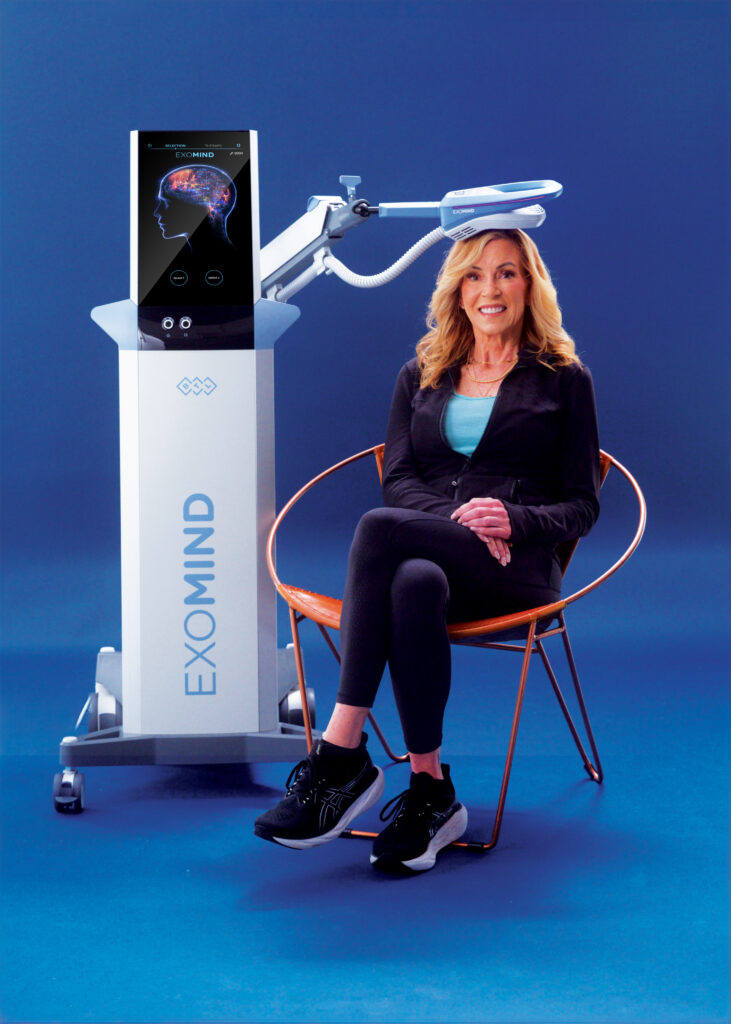
Transcranial Magnetic Stimulation, or TMS therapy, is a noninvasive treatment that uses magnetic fields to stimulate specific areas of the brain. A magnetic coil is placed against the scalp, delivering targeted pulses that activate neuronal circuits without surgery or medication.
Initially developed for treatment-resistant depression, TMS has shown promising results in other neurological and psychiatric conditions, including:
• Parkinson’s disease
• Alzheimer’s disease
• Chronic pain
• Fibromyalgia
• Post-stroke motor impairment
More recently, studies and clinical trials are investigating the potential effects of TMS on autoimmune-related conditions, particularly those involving brain inflammation, demyelination, or neuronal dysfunction.
 How TMS May Support Autoimmune Wellness
While TMS is not a cure for autoimmune disease, it may help reduce some of the most challenging symptoms like fatigue, cognitive fog, pain, and mood changes by improving how the brain communicates and functions.
TMS uses focused magnetic pulses to stimulate specific areas of the brain, such as the prefrontal cortex or motor cortex. These pulses create small electrical currents that activate neuronal pathways and promote neuroplasticity, the brain’s ability to form new, healthier connections. Over time, this gentle stimulation may help “reset” dysregulated circuits linked to mood, pain, cognition, and fatigue. Discover some of the ways TMS may address autoimmune-related symptoms:
Support for Brain Fog and Cognitive Dysfunction
Autoimmune disorders often cause cognitive dysfunction, including memory issues, poor concentration, and mental fatigue. By stimulating the prefrontal cortex (responsible for attention and executive functioning) TMS may help improve mental clarity and decision-making. Patients frequently report feeling more focused and less foggy after a series of sessions.
Relief from Chronic Pain
Many autoimmune patients deal with nerve pain, muscle aches, or spasticity. TMS may help by stimulating the motor cortex and interrupting dysfunctional pain signaling pathways. Early studies have shown reduced pain perception and increased tolerance, particularly in conditions like multiple sclerosis and fibromyalgia.
Mood and Emotional Well-Being
Depression and anxiety are significantly more common in individuals with autoimmune disorders. TMS is FDA-cleared for the treatment of major depressive disorder and is widely used in psychiatric care. By modulating activity in the emotional centers of the brain, Exomind may help lift mood, ease anxiety, and improve overall emotional balance without the side effects of antidepressant medication.
Addressing Fatigue and Energy Regulation
Fatigue is one of the most debilitating symptoms of autoimmune illness. TMS may help by stimulating areas of the brain involved in motivation and arousal, potentially reducing fatigue and improving energy levels. Although more research is needed, early findings suggest a promising role for TMS in improving stamina and daily function.
Neuroprotection and Inflammation
Emerging research suggests that TMS may have neuroprotective effects, especially relevant in autoimmune conditions like MS where demyelination, oxidative stress, and inflammation damage brain tissue. Some studies have shown reduced markers of inflammation and improved signaling in affected brain regions. Though not yet conclusive, this suggests a possible role for TMS in long-term neurological support.
Encouraging Early Findings for MS
In patients with multiple sclerosis, pilot studies and double-blind trials have reported benefits from repetitive TMS (rTMS), including reduced spasticity, improved balance, and better mood regulation. These studies are small, and more robust clinical trials are underway, but early results are encouraging for people seeking non-pharmacological symptom relief.
Introducing Exomind: The Latest in TMS Technology
Exomind, developed by BTL, is an advanced TMS system designed for comfort, precision, and effectiveness. Unlike earlier TMS technologies, Exomind delivers magnetic pulses in a streamlined, patient-friendly way, without anesthesia, medication, or downtime.
Key benefits of Exomind include:
• Targeted stimulation of specific areas of the brain
• No systemic side effects
• Drug-free and noninvasive
• FDA-cleared for depression and safe for off-label use under physician supervision
• Short, outpatient treatment sessions (typically under 30 minutes)
• Patients can return to work or daily activities immediately after each session.
Who Might Benefit?
You may be a good candidate for TMS with Exomind if:
• You live with an autoimmune disorder and experience chronic fatigue, cognitive issues, or depression
• You’ve tried medications with limited success or uncomfortable side effects
• You’re looking for a noninvasive, drug-free approach to symptom relief
• You want to improve mental clarity, emotional resilience, and daily function
While TMS with Exomind is not designed to treat the root immune dysfunction of autoimmune diseases, it can be an empowering addition to your broader care strategy.
Take the Next Step
If you’re navigating life with an autoimmune disorder and are looking for safe, innovative ways to feel better, TMS therapy with Exomind may be right for you. Sanctuary Wellness is proud to serve the McMurray, PA area with compassionate care and advanced neuromodulation technology.
Book a complimentary consultation & demo today and find out how TMS can help you reclaim clarity, comfort, and control.
Recent Articles
-
 National Breast Implant Awareness Month: Understanding Breast Implant Illness (BII), Symptoms, Advocacy & Whole-Body Healing
 -
 National Endometriosis Month: Understanding Endometriosis & A Holistic Path to Healing
 -
 February is National Heart Month: Why Heart Health Matters More Than You Think
 -
 National Cancer Prevention Month: How Proactive Wellness Supports Long-Term Health
 -
 The “Reptile Brain” Theory and How to Protect Your Nervous System